
⚖️Disclosure: Smart Living HQ is a participant in the Amazon Services LLC Associates Program, an affiliate advertising program. If you buy something through a link on this page we may earn a small commission, at no extra cost to you. It never changes which bed we recommend — our pick is the middle depth, not the biggest bed, because it saves you the most soil.
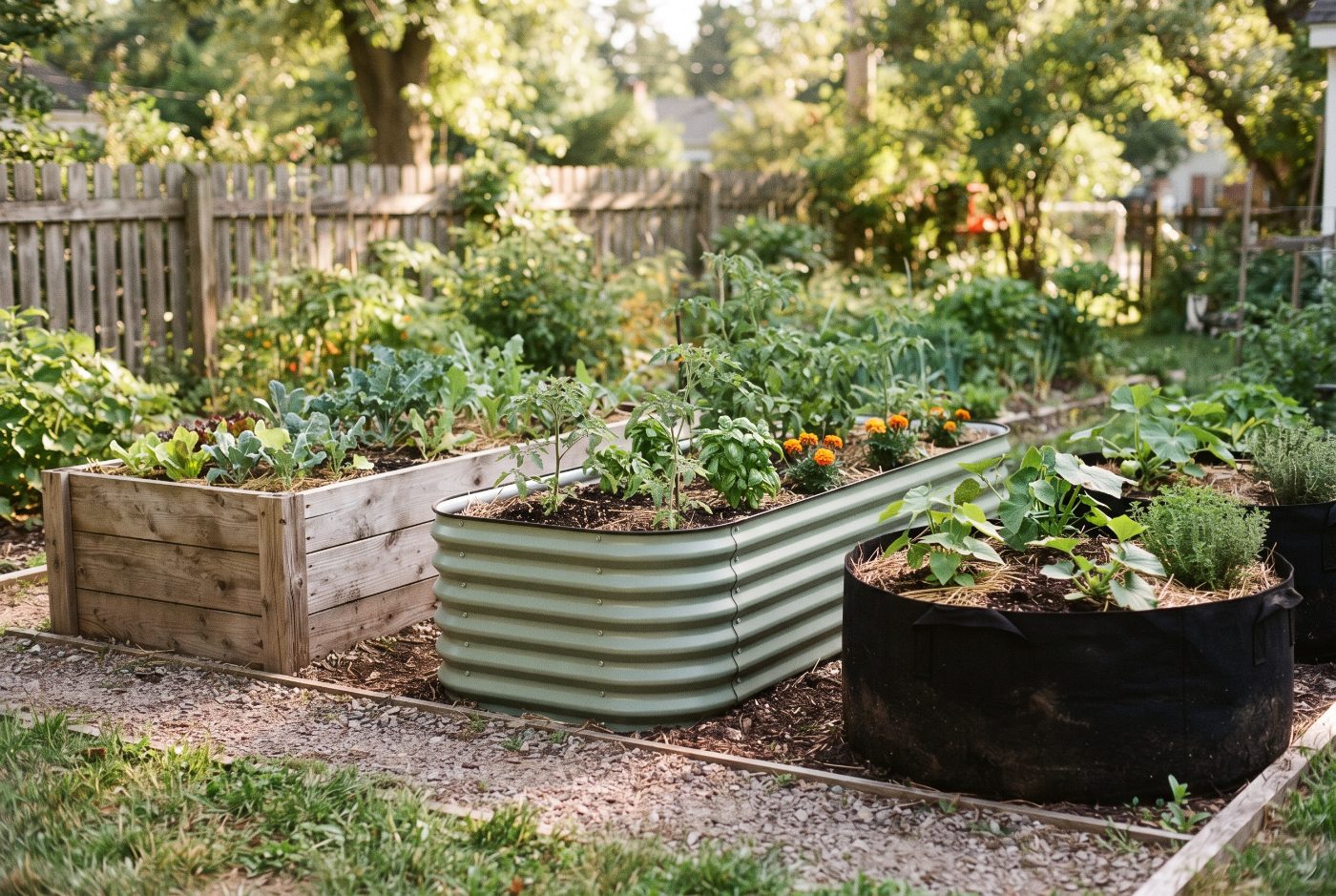
A raised bed is the easiest way to start growing vegetables. You skip digging up the lawn, you control the soil from day one, and weeds have a much harder time moving in. The hard part is choosing one, because the options split three ways: wood, metal and fabric. Each one makes a different trade between what it costs up front, how long it lasts and how much soil it needs.
That last one is the cost almost nobody plans for.
The hidden cost is the soil, not the bed
A 4-by-8-foot bed is the classic size for a first garden. It’s big enough to grow tomatoes, peppers, lettuce and herbs together, and narrow enough to reach the middle from either side. But the depth of that bed decides how much soil you need to fill it, and the difference is bigger than most people expect.
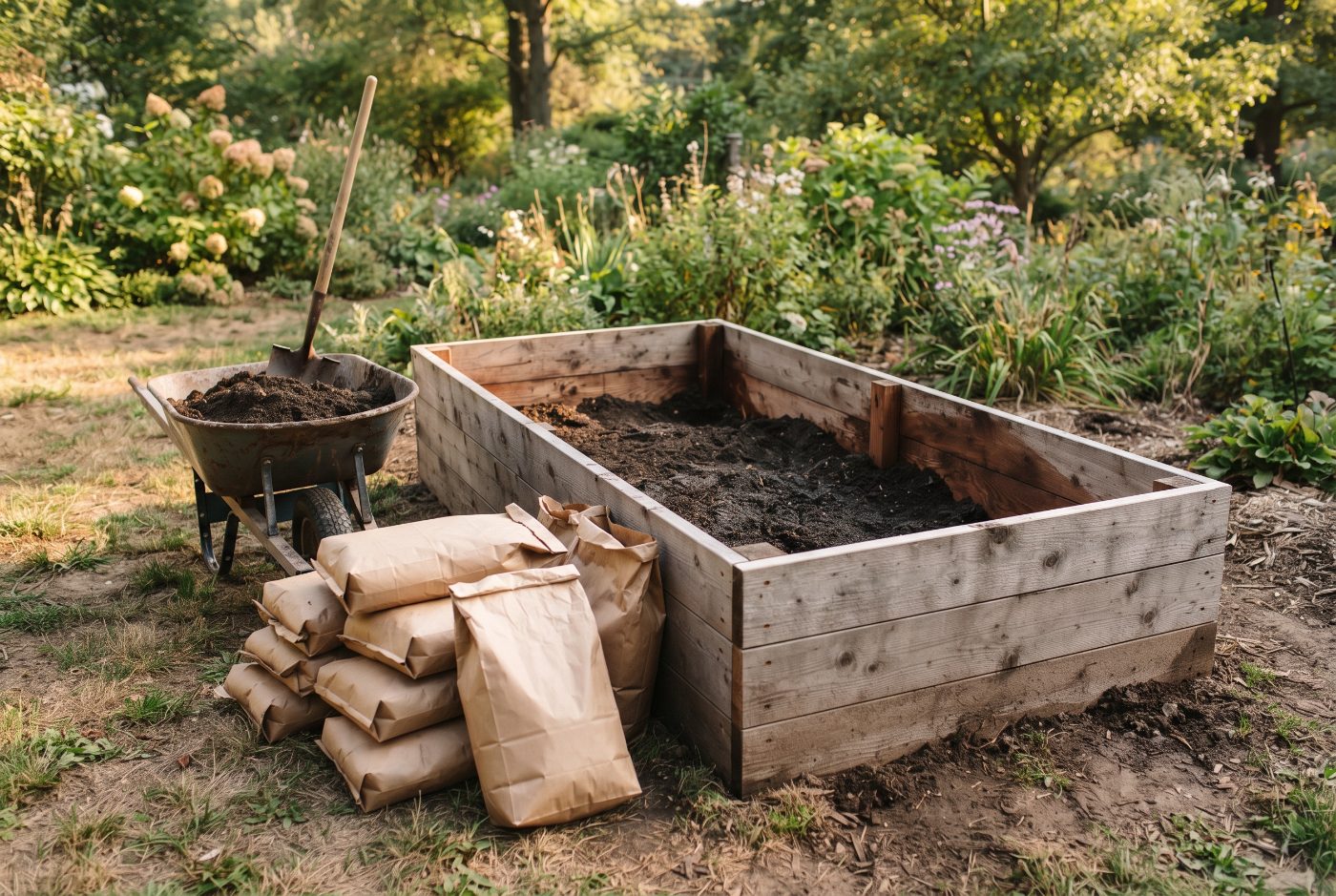
A bed about 11 inches deep takes around 29 cubic feet of soil. Go to 17 inches and it’s about 45. At 24 inches it’s 64 cubic feet, more than double the shallow bed. In the 1.5-cubic-foot bags most garden centers sell, that’s the gap between about 20 bags and about 43.
Depth is the line item nobody budgets for. Every extra inch across a 4 x 8 bed is another 2.7 cubic feet of soil to buy, haul and fill.
For most vegetables, 12 to 18 inches of good soil is plenty. Tomatoes, peppers, squash and nearly all greens root comfortably at that depth. Going deeper mainly buys you easier reach if bending is tiring for you, and that’s a real reason, but go in knowing it roughly doubles your soil bill.
Amazon pricing moves constantly, so check the current figure on each listing. The comparison below is about materials and depth, not sticker price.
The beds worth considering
Greenes Fence Premium Cedar Raised Garden Bed (4 x 8 x 17.5 in.)
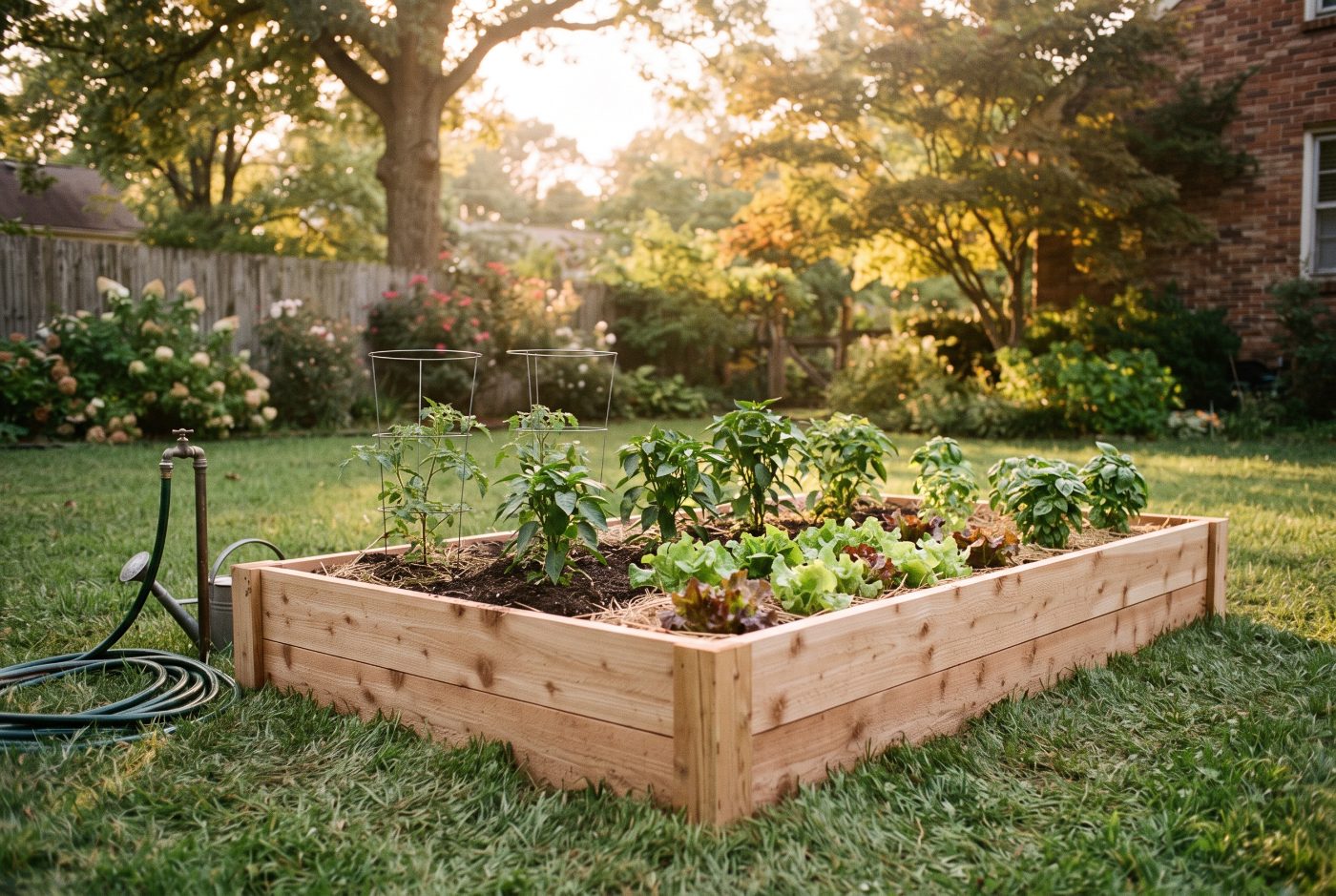
Our pick for a first vegetable gardenCedar is the classic choice for good reason. It resists rot without chemical treatment, it looks good in a yard, and it’s easy to add onto later. This Greenes Fence kit uses 3/4-inch-thick boards and 2.5-inch square corner posts, and the boards slide together with dovetail joints, so you don’t need tools to set it up. At 17.5 inches tall, it holds about 46.7 cubic feet of soil.
- Right for
- A first vegetable garden you want to look good and grow into. The corner posts are routed so you can stack a second tier or extend it later.
- Skip it if
- You want a bed that will last decades without any upkeep. Untreated cedar still weathers, and it fades to a silver-gray over the first few seasons.
- The drawback
- Wood eventually breaks down where it touches wet soil. Expect years of use, not a lifetime.
Vego Garden 17″ Tall 10-in-1 Modular Metal Raised Garden Bed
Longest-lastingMetal beds outlast wood by a wide margin, and Vego’s modular panels are the reason these kits became so popular. The same set of panels can be built into several shapes and sizes, so you can fit an awkward corner of the yard or reconfigure the bed next season.
- Right for
- Gardeners who want a bed that should outlast several wooden ones, and anyone with an oddly shaped space to fill.
- Skip it if
- You want the most natural look, or you’re renting and may need to pack the garden up and move it soon.
- The drawback
- Metal panels have edges that can be sharp during assembly, so wear gloves. Metal also warms faster in full sun than wood does.
Land Guard Galvanized Raised Garden Bed (8 x 4 x 2 ft)
Deepest · least bendingThis is the deep option. At 24 inches tall, you can garden with much less bending, and the oval galvanized steel design is sturdy and simple to put together.
- Right for
- Gardeners who find bending tiring, or anyone growing deep-rooted crops like large carrots or potatoes.
- Skip it if
- You’re filling it from bagged soil on a tight budget. At 24 inches deep, this bed needs about 64 cubic feet to fill, more than double a shallow bed.
- The drawback
- The soil bill. Most people fill the bottom third with branches, logs or cardboard to cut it down, which works but takes planning.
Gardzen Fabric Raised Garden Beds (3 x 6 x 1 ft, 2-pack)
Best for trying it outFabric beds are the lightest, cheapest and most forgiving way to test whether you enjoy growing food at all. The divided grids keep crops separate, and when the season ends, you can dump the soil, fold the bed and put it away.
- Right for
- Renters, balconies with a weight limit, and anyone who wants to try gardening for a season before committing to wood or steel.
- Skip it if
- You want a permanent feature. Fabric sags and fades in the sun after a few seasons.
- The drawback
- The soil dries out faster because the fabric breathes, so you’ll water more often during hot weeks. At 12 inches tall, it’s also the shallowest bed here.
The one to skip
Thin plastic-panel bed kits
Skip itThey’re everywhere, and they look like a bargain. But thin plastic panels bow outward once they’re full of wet soil, the corner connectors crack in the cold, and the whole bed goes wavy within a season or two. You’ll end up shoveling all that soil into a new bed.
- Right for
- A small herb bed on a patio, where the load is light.
- Skip it if
- You’re building a full vegetable garden that will hold hundreds of pounds of damp soil.
- The drawback
- A bed that bows is a bed you rebuild. Buying twice costs more than buying once.
What most people get wrong
They fill the bed with garden soil dug from the yard, or with the cheapest bagged topsoil. Both pack down hard in a raised bed and drain poorly. Use a raised-bed mix, or blend topsoil with compost, so roots have loose, rich soil to grow into.
The second mistake is placement. Vegetables want six or more hours of direct sun. Put the bed where the sun is, not where it looks tidiest, and put it close enough to a hose that watering is never a chore.
Here’s what I’d pick
For a first vegetable garden, get the Greenes Fence Premium Cedar bed. At 17.5 inches it’s deep enough for nearly any vegetable, it doesn’t need a truckload of soil, and it looks good enough to put right by the patio.
If you want something that outlasts it, the Vego metal kit is the one to grow into. And if you’re not sure gardening is for you, the fabric beds are an inexpensive way to find out.